The Refining Process: Turning Gold Ore into Bars
Updated: Aug 16
Gold has captivated humanity for centuries, not just for its beauty but also for its value. The journey from raw gold ore to shiny gold bars is a fascinating process known as smelting. This blog post will take you through the intricate steps involved in transforming gold ore into bars, shedding light on the techniques, equipment, and considerations that make this process possible.
Understanding Gold Ore
Before diving into the smelting process, it’s essential to understand what gold ore is. Gold ore is a naturally occurring mineral from which gold can be extracted. It typically contains a mixture of gold, other metals, and minerals. The concentration of gold in the ore can vary significantly, which influences the methods used for extraction.
Types of Gold Ore
Gold ore can be classified into two main types:
Lode Gold Ore: This type is found in solid rock formations. It often requires more complex extraction methods due to its solid state.
Placer Gold Ore: This type is found in riverbeds or sediment. It is usually easier to extract, as the gold particles are often free from other minerals.
The Smelting Process
The smelting process involves several key steps that transform gold ore into pure gold bars. Here’s a breakdown of each stage:
1. Crushing and Grinding
The first step in the smelting process is crushing and grinding the gold ore. This is done to break the ore into smaller pieces, making it easier to extract the gold. The ore is typically crushed using heavy machinery, such as jaw crushers and ball mills.
2. Concentration
After crushing, the next step is to concentrate the gold. This can be achieved through various methods, including:
Gravity Separation: This method uses the difference in density between gold and other minerals to separate them. Gold is heavier, so it sinks while lighter materials are washed away.
Flotation: In this method, chemicals are added to the ore slurry, causing the gold to attach to air bubbles and float to the surface, where it can be collected.
3. Roasting
Once the gold is concentrated, the next step is roasting. This involves heating the ore to high temperatures in the presence of oxygen. The roasting process helps to oxidize sulfides and other impurities, making it easier to extract the gold.
4. Smelting
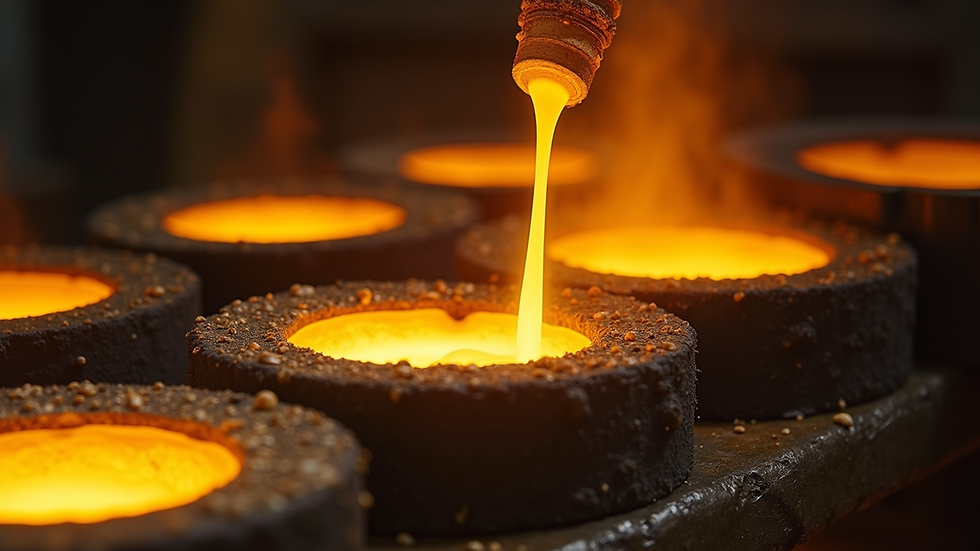
The actual smelting process involves melting the concentrated gold ore in a furnace. This is typically done at temperatures exceeding 1,064 degrees Celsius (1,947 degrees Fahrenheit). During smelting, fluxes such as silica and borax are added to help separate impurities from the gold. The result is a molten mixture that can be poured into molds to form bars.
5. Refining
After smelting, the gold bars may still contain impurities. Refining is the final step in the process, where the gold is purified to achieve a higher level of purity. This can be done using several methods, including:
Electrolytic Refining: This method uses an electric current to separate impurities from gold.
Chemical Refining: In this method, chemicals such as aqua regia are used to dissolve impurities, leaving behind pure gold.
Equipment Used in Smelting
The smelting process requires specialized equipment to ensure efficiency and safety. Here are some of the key tools and machines used:
Furnaces: These are essential for melting the gold ore. Different types of furnaces can be used, including induction furnaces and electric arc furnaces.
Crushers and Grinders: These machines are used to break down the ore into smaller pieces.
Concentration Equipment: This includes jigs, shaking tables, and flotation cells, which help separate gold from other minerals.
Safety Considerations
Smelting gold ore involves high temperatures and potentially hazardous materials. It’s crucial to follow safety protocols to protect workers and the environment. Here are some important safety measures:
Personal Protective Equipment (PPE): Workers should wear appropriate PPE, including heat-resistant gloves, goggles, and masks.
Ventilation: Proper ventilation is necessary to avoid the buildup of harmful gases during the smelting process.
Environmental Controls: Measures should be in place to prevent contamination of soil and water from smelting operations.
Environmental Impact
The smelting process can have significant environmental impacts, particularly if not managed properly. Some of the key concerns include:
Air Pollution: Emissions from smelting can release harmful gases, including sulfur dioxide and heavy metals.
Water Pollution: Runoff from smelting operations can contaminate local water sources.
Land Degradation: Mining and smelting can lead to habitat destruction and soil erosion.
To mitigate these impacts, many companies are adopting more sustainable practices, such as using cleaner technologies and implementing waste management strategies.
Conclusion
The journey from gold ore to gold bars is a complex and fascinating process that involves several stages, from crushing and grinding to smelting and refining. Understanding this process not only highlights the skill and technology involved but also emphasizes the importance of safety and environmental considerations in the mining industry. As gold continues to hold its value, the methods of extraction and processing will evolve, ensuring that this precious metal remains a significant part of our economy and culture.
By learning about the smelting process, you gain insight into the intricate world of gold production and the efforts made to balance economic needs with environmental responsibility. Whether you are a gold enthusiast, a student, or simply curious about the process, understanding how gold is transformed from ore to bars can deepen your appreciation for this timeless metal.


Comments